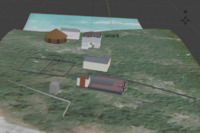
Locus A
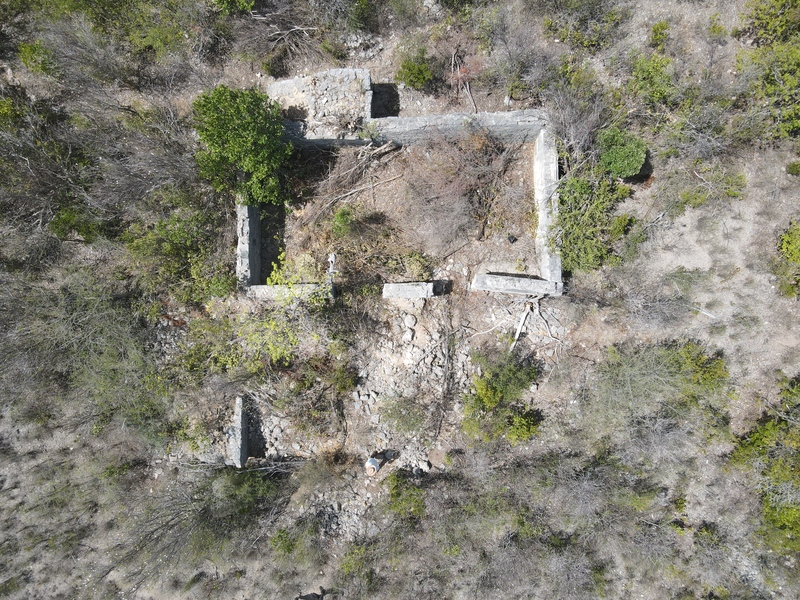
Drone footage of Locus A
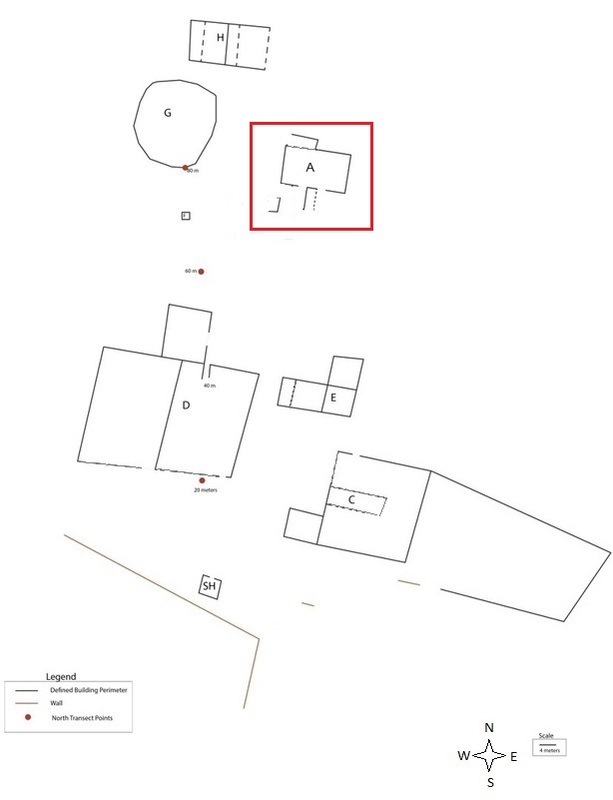
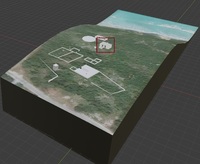
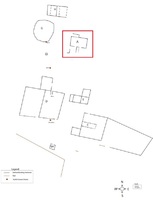
Locus A Map
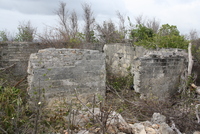
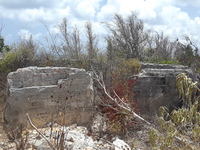
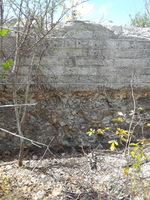
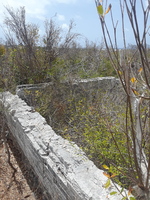
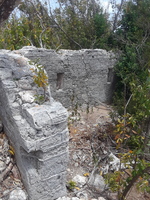
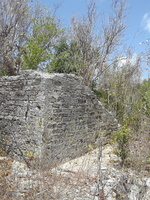
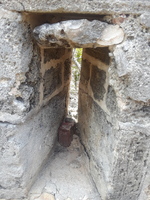
Locus A is the northeast most structure on the Hughes Estate landscape. The building is located at the precipice of a hill that becomes increasingly steep as it approaches the ocean to the north. The Locus A structure consists of the foundation of a 6.5 x 11.5 m ground-level cellar that is roughly 2 m in height. A staircase measuring 1.76 m wide and 4.68 m long is flush against western end of the structure’s the northern face. On the cellar’s northern face, the lower stonework remains rough, suggesting that this part of the wall may have been covered by a wooden platform or veranda.
A wooden structure would have sat on top of the ground-level cellar creating a raised second floor. From this upper level, the occupants of the structure would have had a commanding view of the ocean. Road Bay, an important Anguillan port, is visible from the top of the back staircase and most certainly would have been visible from the upper level of the residence.In addition to the sea, this location lends itself to surveillance of the sugar works to the west and Locus E to the south.
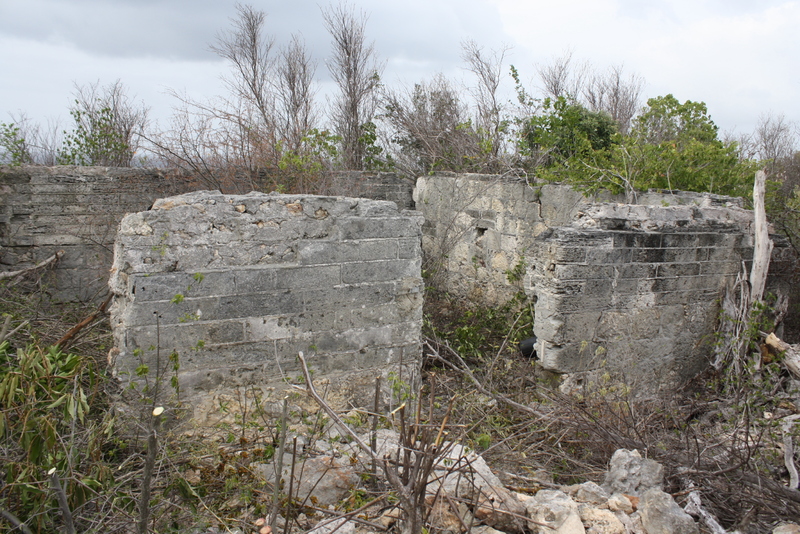
Locus A was likely the main or plantation “Great House,” where the plantation owner(s) lived.
The commanding view of the ocean and elevated location on the landscape not only provided means for control (surveillance) of the sugar works, also symbolically reinforced the status of the building and its occupants. An important Anguillan port would have been visible from the house, suggesting that the owners of the Hughes Estate were interested in comings and goings of ships. Ceramics recovered in units excavated to sample this Locus had mean dates of 1803, 1807 and 1832.
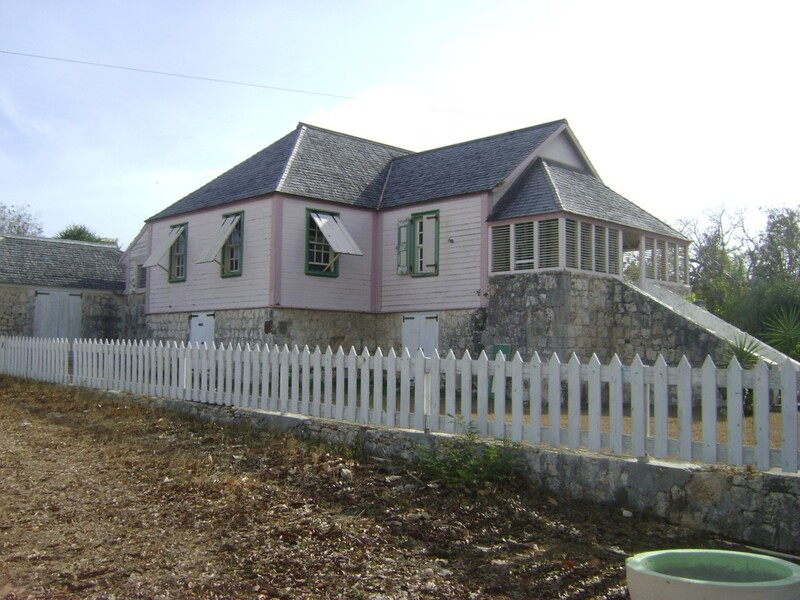
Wallblake great house
Pictured to the right: Locus A may have looked similar to the main estate house at Wallblake , an Anguillian plantation from the same period as Hughes.
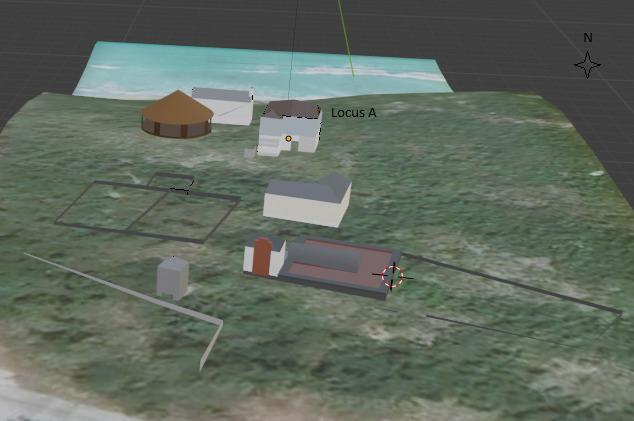
Locus A reconstruction
What can we learn from the main estate house?
The Hughes Estates Archaeological Research project aims to center the stories of the people enslaved at the Hughes Estate.
- The plantation owners were not the only figures connected with this structure.
- Eleven people were tasked as domestic "servants" at the Hughes Estate in the 1820s. These enslaved women, men, and children would have worked and perhaps even lived in Locus A, the main estate house.
- What might the view of the ocean from Locus A may have represented to people living and working a in this structure in bondage?
- The ocean may have represented connections with the broader world, and possibilities for self-liberation to islands such as St. Martin outside of British control.
Title
Description
A wooden upper level would likely have rested on the foundation, with the stairway leading to a wooden veranda.
Locus A is tentatively identified as the residence (great house) of the owners of Hughes Estate.
Material: Lime mortar poured bricks, lime mortar
Subject
Creator
Extent
Item sets